
Finding a roof leak
Start in the roof space with a torch, during rain or soon after. Water runs along the felt and the rafters before it drips, so follow the wet track uphill to the highest point. Outside, look from the ground at the places water most often gets in: the flashings, the base of the chimney, the valleys and the gutters.
How to trace a leak from the roof space and from the ground, why the drip is rarely under the hole, and when to hand it to a roofer.
Free and no obligation. Your request goes to one roofer in your county, not a list.
- €150–€375a roofer's inspection
- about €300with a written report
- €350–€600a hard-to-find leak, found and sealed
- 22%timber moisture where rot can start
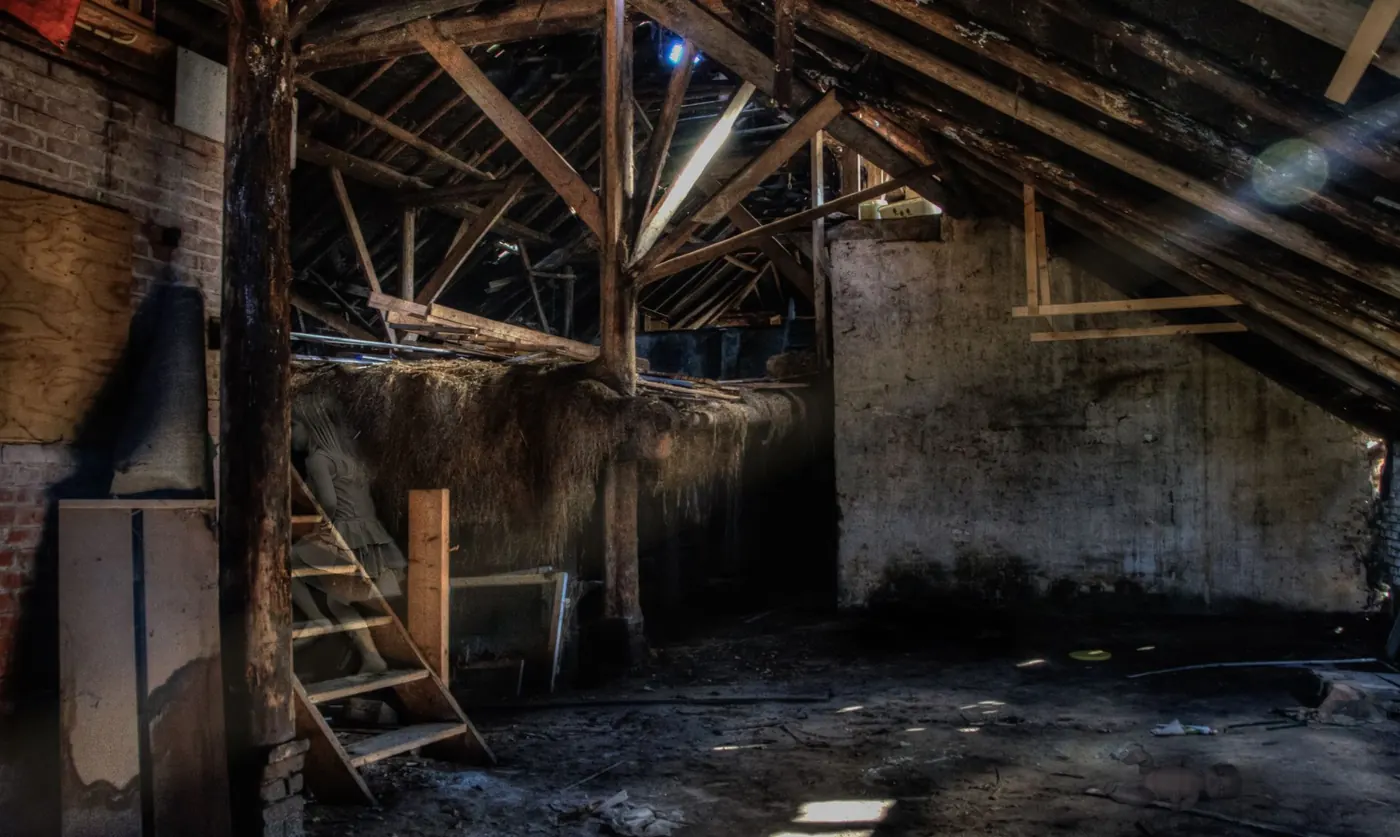
In the roof space
- Go up safely. Stand on boards or the joists, never on the ceiling between them. Take a torch.
- Look for the wet. Dark streaks on the felt, wet timber, damp insulation, a drip hanging from a nail.
- Follow it uphill. Water runs down the felt or along a rafter. The highest wet point is the nearest to the fault.
- Look for daylight. A chink of light through the roof shows a gap. Not every gap leaks, but each one is worth noting.
- Mark it. A photo, and a note of which rafter it is, counted from a gable or the chimney, saves the roofer time.
Price your roof leak
Three taps and the price shows as you go. Your name and number come last, and only if you want a roofer to ring.
A leak, source not found yet, in heavy rain, two-storey house: €150 to €375.
How the price is worked out
Each figure is a range from Irish roofers' and roofing booking pages. The range is the repair for the part of the roof you pick, from the smallest job to the biggest one people usually need there. If water is coming in now, the emergency call-out range is added on top. A tall house can need scaffolding, and that is shown as its own line. Use it to plan with. It isn't a quote: a roofer prices yours after looking at the roof.
Why the drip is rarely under the hole
Water that gets past a slate or tile lands on the felt and runs down it until it finds a tear, a nail hole or a sag, then drips. On a roof with no felt it runs along the rafters first. Either way, the stain on the ceiling can be well away from the fault, and usually downhill of it.
The Department of Housing's guide to old roofs says damage from water getting in is often first noticed on the ceiling, as discoloured, damp plaster. That is where the search starts, not where it ends.
From the ground, outside
- Slates and tiles. Any that have slipped, cracked or gone, and gaps in a course.
- Flashings. Lead that has lifted at a chimney, a wall or a dormer.
- The chimney. Cracked flaunching on top, worn joints, a missing pot cap.
- Valleys and gutters. Leaves and moss, and the dark streak of an overflow down a wall.
Binoculars help. The roofs guide names the ends of the rafters, the flashings between a gable and the roof, and the base of the chimney as the places water is most likely to get in.
When you can't find it
Some leaks only show in wind-driven rain from one direction, or only in a downpour. A roofer can run a hose over one part of the roof at a time, starting low and working up, while someone watches inside. Done slowly, it finds leaks that a dry look misses.
A hard-to-find leak, found and sealed, runs €350 to €600. A slow leak is worth the effort: timber kept above about 22% moisture is open to rot and insect attack, the roofs guide says.
Leave the roof itself to a roofer
The HSA's roof work code says roofs should be inspected with care by people who are trained and experienced, and to assume a roof is fragile unless a competent person confirms otherwise. Look from the roof space and from the ground. Don't climb onto the roof.
Other leaks to look at
 Slate roof leaksSlipped, cracked or missing slates. One to five fixed, €180 to €450.
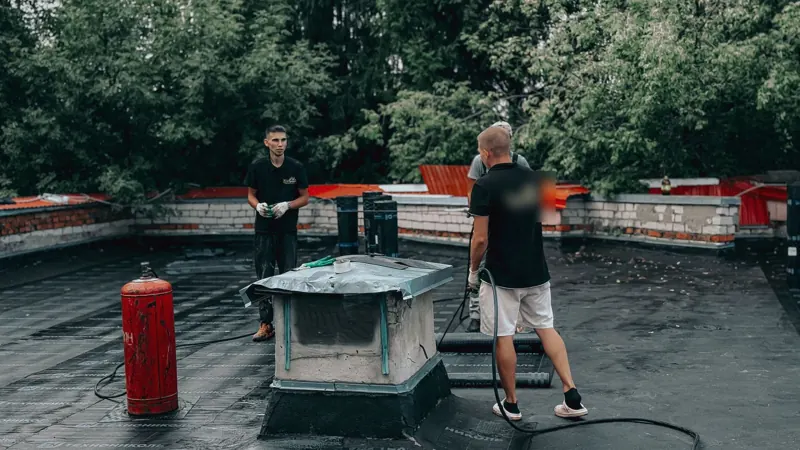 Flat roof leaksSplit seams, blisters and tired felt. A small patch, €200 to €550.
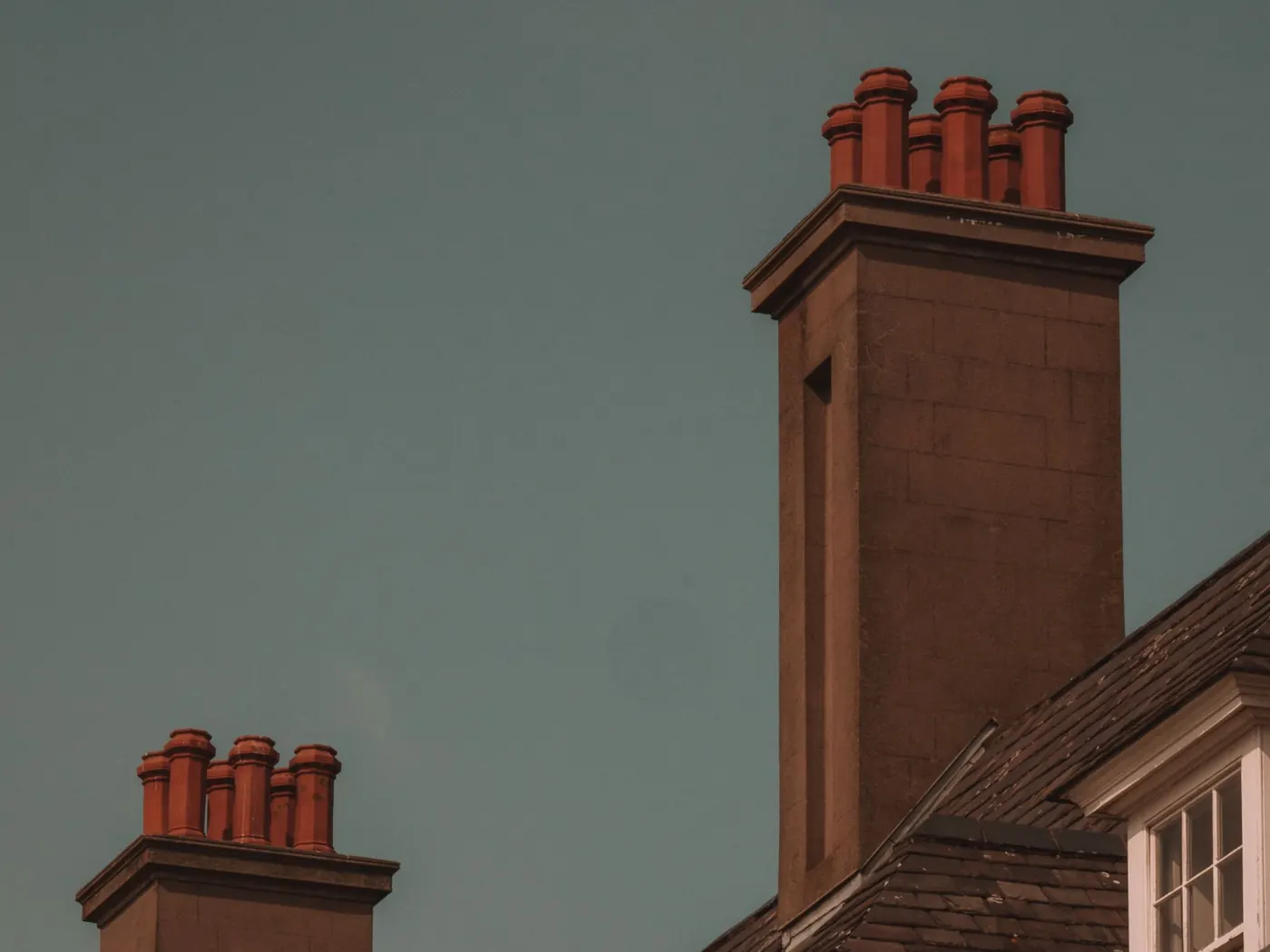 Chimney leaksFlashing at the base, flaunching on top. New flashing, €350 to €1,400.
 Valley leaksWhere two slopes meet and the water gathers. A lead valley, €850 to €2,500.
 Roof window leaksUsually the flashing kit or the seals, not the glass. Resealed, €200 to €400.
 Emergency repairsWater coming in now. Call-out €150 to €600 on top of the repair.
Questions before you book
Why can't I find my roof leak?
Because water travels. It runs down the felt or a rafter before it drips, so the stain is often well downhill of the fault. Some leaks also only show in wind from one direction.
How do I find a roof leak from the attic?
During rain or soon after, with a torch. Look for wet felt, damp timber and drips on nails, and follow the wet track uphill to its highest point.
How much does it cost to have a leak found?
A roofer's inspection is €150 to €375. A hard-to-find leak, found and sealed, runs €350 to €600.
Can a hose test find a leak?
Often, yes. A roofer runs water over one part of the roof at a time, starting low, while someone watches inside.
Is a slow leak serious?
It can be. Timber kept above about 22% moisture is open to rot and insect attack, so a slow leak is worth finding early.
Everything on this site
Where it leaks
Costs, rules and insurance

See the price before anyone rings
Tap where the water comes in and how bad it is. When you want a firm price, it goes to a single roofer in your county.